
Understand what's going on, before you decide what to do about it.
Plain-language guides, two private check-ins and a glossary of therapy words. Written by a psychology centre that teaches as well as treats, so you can learn here with no need to book.
Start with how it feels.
Each guide follows the same shape: what it's like, what's going on, something to try tonight, and how to tell when it's time to talk to someone.

When your mind won't stop running ahead
Why worry feels so physical, what keeps it going, and the small things that turn the volume down.
- Your chest is tight before you've worked out what you're worried about.
- You replay a conversation from three days ago, looking for the mistake.
- You can't settle into a film because part of you is scanning for problems.

When everything feels flat, heavy or far away
The difference between a bad week and something that needs more care, and how to start moving again.
Read the guide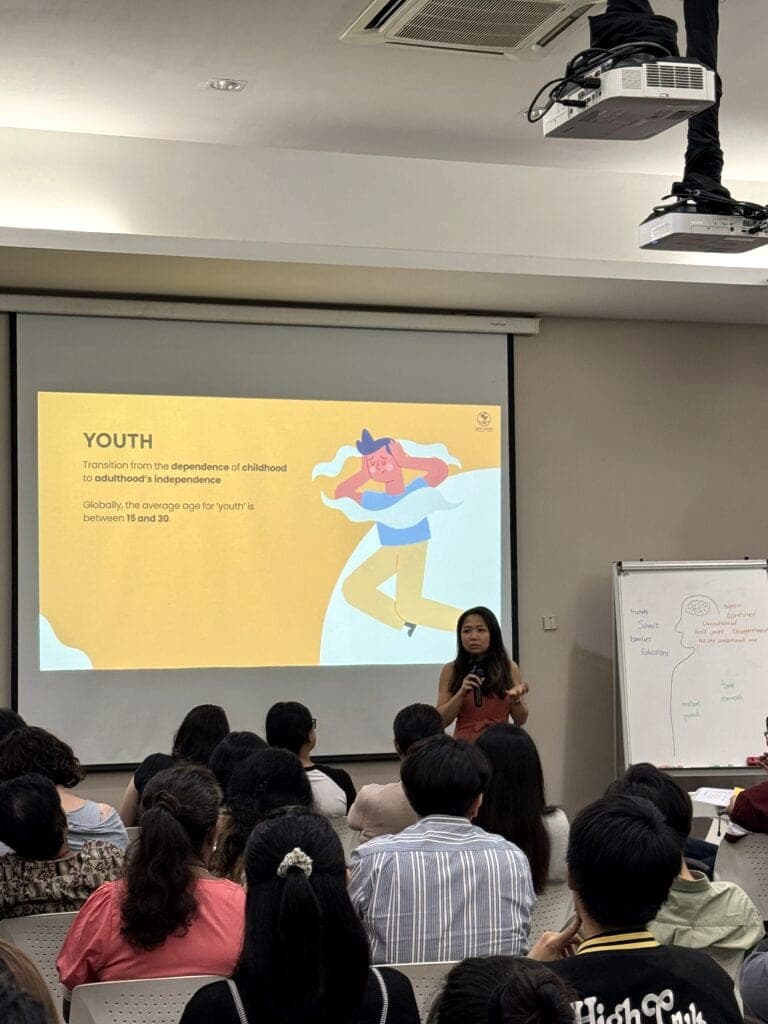
When work is eating everything
How ordinary pressure becomes burnout, the three signs to watch for, and what actually helps you recover.
Read the guide
Can't switch your brain off at night?
Why trying harder to sleep backfires, and a few changes that help a racing mind wind down.
Read the guide
When you keep having the same fight
Why couples get stuck in loops, what's usually underneath, and how to have the next conversation differently.
Read the guide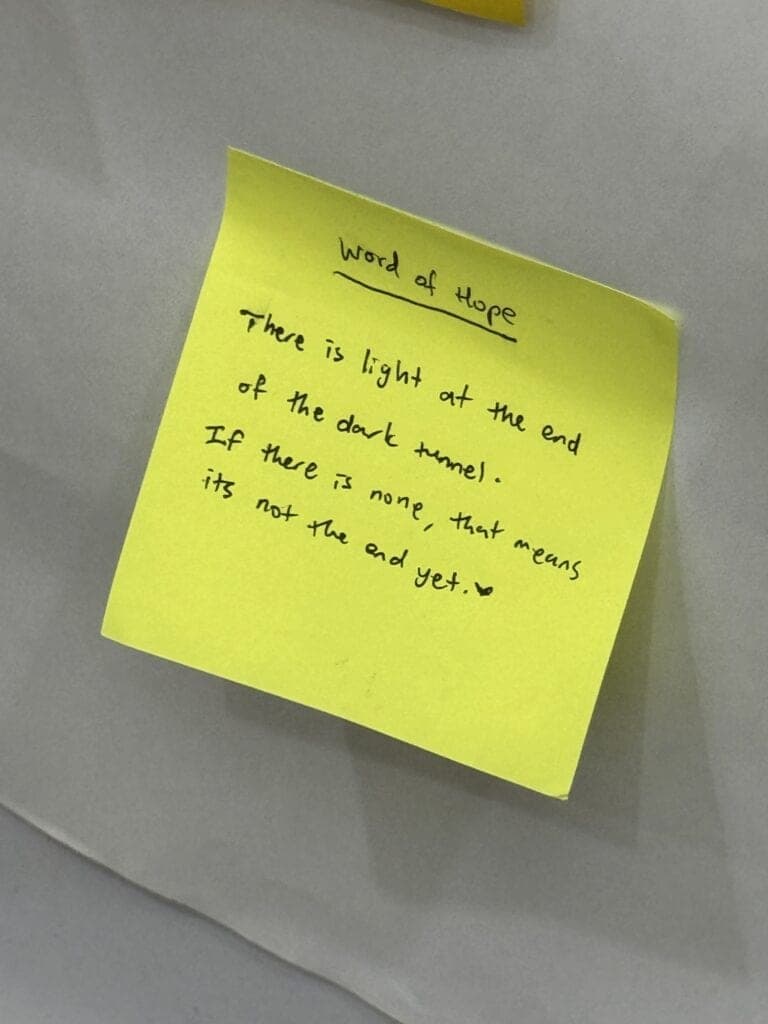
When grief won't settle
Why grief doesn't follow neat stages, what makes it feel stuck, and how to carry it with a bit more room.
Read the guideTwo minutes, nobody watching.
The same short questionnaires clinicians use worldwide. Your answers never leave your browser, and the result comes with a plain-words explanation and a sensible next step.
Screening isn't diagnosisThe questions people are too polite to ask.
What actually happens in a first session
From the free call to the last ten minutes, in the order it really happens.
Read itFeesWhat therapy costs, and why it varies
Rates by practitioner, what's included, and how the free first call works.
See feesGlossaryPsychologist or counsellor? CBT or ACT?
The words on practitioner profiles, explained the way we would across a table.
Open the glossary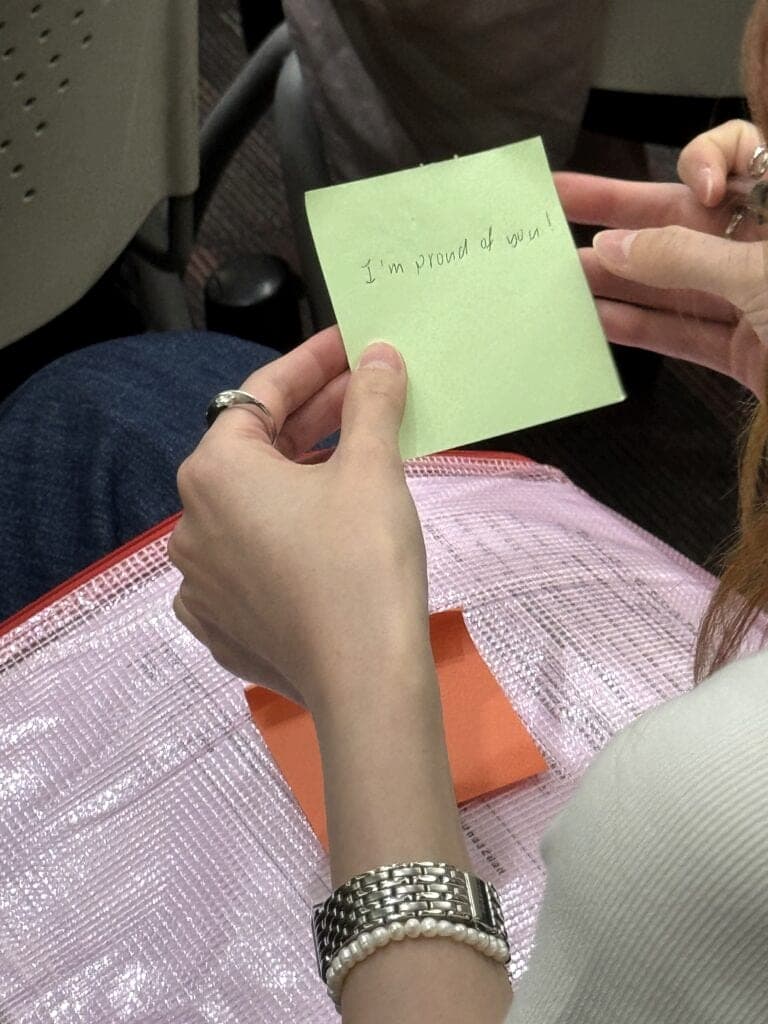
Some things are easier to learn with other people.
Our workshops and programmes are the same ideas as these guides, practised together over an afternoon or a season: mindfulness, relationships, art, and the first years of parenthood.
“It was informative and gave me time to calm down. I hope to have this kind of topic again.”
Our founder has spoken on
Want a guide we haven't written yet?
Tell us what you're trying to understand. We'll point you to a workshop, a programme or a practitioner, and it may become the next guide.