

You have checked out, shut your laptop, and finally arrived home. Yet, for some reason, work remains in your thoughts. You catch yourself going over a discussion with your supervisor, fretting about tomorrow’s deadlines, or looking at your phone for messages that can likely wait until the morning.
Sound familiar?
For numerous working adults in Malaysia, exiting the workplace doesn’t automatically mean escaping work-related stress. At times, the repercussions of a challenging workday extend into our personal lives, impacting our thoughts, emotions, and interactions with those around us.
Though occasional stress is a typical reaction to difficulties, persistent work-related stress can impact our mental well-being, relationships, and capacity to relax.
How can we identify when work stress is carrying over into our home life, and what steps can we take to address it?
Understanding work stress: why does it happen?
The definition of stress at work can be explained as a state of imbalance where the level of demands from the job does not meet our capacity to cope with them. Surprisingly, stress is not always negative. It is similar to a string in music that if it is not stretched, then there will be silence, but if tuned appropriately, then there will be sound. When stress levels become too high or too low for too long, then we exceed our limits.
In Malaysia, workplace stress continues to be a serious issue. The findings from a workplace survey reveal that only 36% of the participants were satisfied with the amount of stress they were experiencing. Besides, 41% of the participants felt burned out or exhausted due to work-related stress. Several factors may contribute to work stress, including heavy workload, tight deadlines, long hours at the office, lack of job security, lack of control and challenging workplace relationships. For some employees, insufficient organisational support or unclear job requirements can further exacerbate feelings of pressure and frustration.
However, work stress does not end just because one leaves the workplace once the workday ends.
With emails, messaging applications and working from home options, the boundaries between professional and personal life have become blurred. People might be occupied even when not at work thinking about incomplete assignments or future obligations.
Psychologists define the mental process of separating from work-related issues as psychological detachment. Interestingly, research describes a phenomenon known as the recovery paradox: the more difficult the work we do, the more difficult it is to recover from it. In other words, it means that the time when we are most in need of recovery might be the toughest to detach ourselves from.
Signs that work stress is following you home
Work stress does not always appear as obvious frustration or exhaustion. Sometimes, it shows up in subtle changes to our emotions, physical health and everyday behaviours.
Emotionally, you might notice yourself becoming more frustrated, anxious or overwhelmed. What could have previously been considered minor hassles now feel like frustration triggers. In addition, you may also experience emotional exhaustion, where even simple conversations or decisions require more energy than usual.
Physically, prolonged stress may cause headaches, muscle tension, fatigue and disrupted sleeping patterns. You might struggle to fall asleep despite feeling exhausted, wake up frequently during the night, or feel tired even after getting sufficient hours of sleep.
Mentally, work stresses tend to follow you out of the work environment even at home, whereby thoughts of work continue to preoccupy you outside of office hours. Such is what is referred to as work-related rumination, where the individuals keep thinking about their conversations, pending tasks and work-related issues. For instance, imagine having dinner with your family while mentally preparing for tomorrow’s meeting. Although you are physically present, your attention remains focused on work.

Behaviourally, you may notice yourself withdrawing from social activities, spending less time on hobbies, or struggling to engage meaningfully with loved ones. Some individuals may also find themselves constantly checking work messages, even during weekends or holidays.
Over time, these experiences can affect your work-life balance, relationships and overall sense of well-being.
Of course, having a stressful day doesn’t automatically mean there’s a serious problem. We all experience difficult days at work. What’s important is noticing whether these changes are happening more frequently and starting to affect your everyday life.
Sometimes, recognising that work stress is affecting us is the first step towards doing something about it.
Stress management at workplace and home: what can you do
Managing work stress is not about avoiding every possible stressful situation. Instead, it is about cultivating better coping strategies in response to such situations and having time to recover.
Research on recovery from work-related stress highlights four important experiences: psychological detachment, relaxation, mastery and control.
1. Create boundaries between work and personal life
Have you ever told yourself, “I’ll just reply to one last message”, only to end up working for another hour?
When work is always within reach, switching off can be difficult. This is where psychological detachment comes in. It refers to our ability to mentally disconnect from work during personal time, allowing our minds to rest and recover.
To practice this, try creating an end-of-day routine, such as shutting down your laptop, changing into comfortable clothes, or taking a short walk.
But what if you work from home?
When your home doubles as your workplace, the boundaries can become blurred. Try setting up a dedicated workplace, even if it’s just a small corner. After working hours, pack away your laptop, close work applications and avoid checking non-urgent messages.
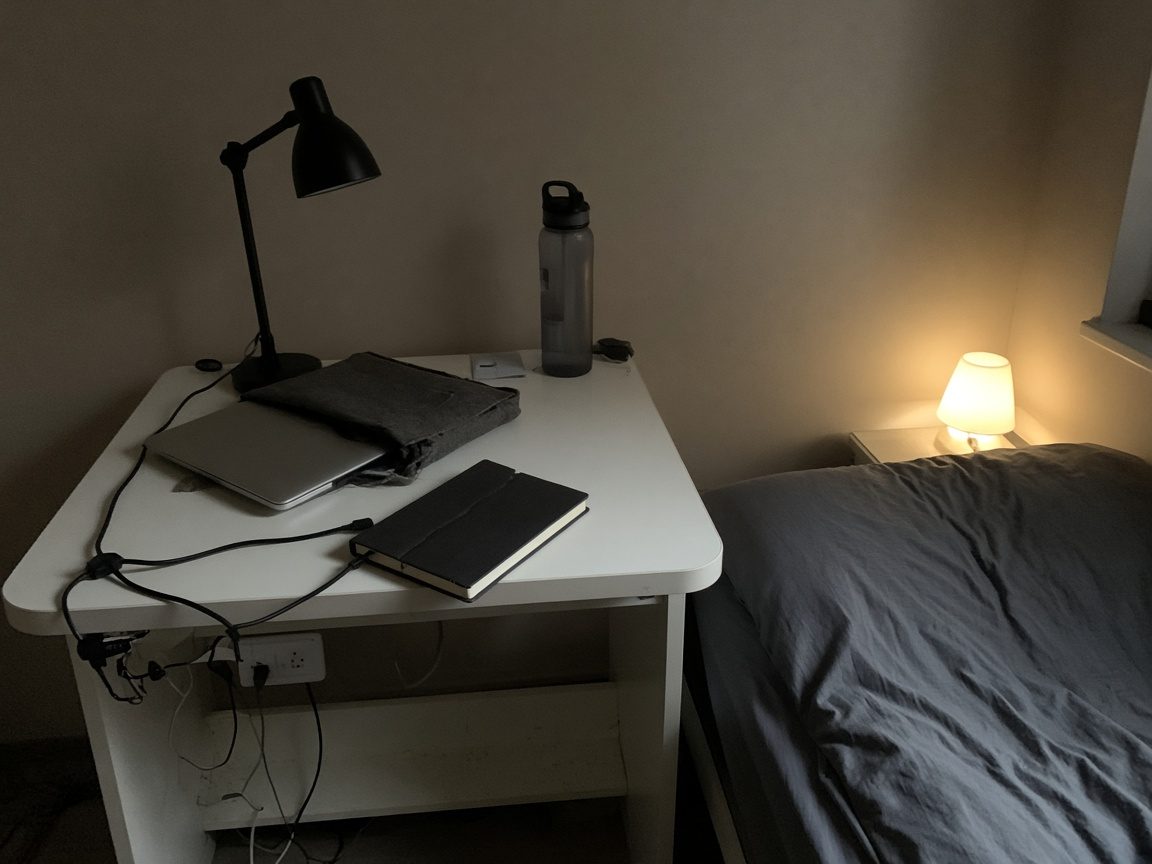
These small habits can help you mentally switch from work mode to personal time, making it easier to unwind and recharge.
2. Make time for relaxation
After a stressful day, our minds and bodies need opportunities to slow down.
Relaxation allows our minds and bodies to gradually recover from periods of heightened stress. Activities including deep breathing, gentle stretching, listening to calming music or spending quiet time outdoors may help reduce tension.
Rest is part of taking care of yourself, not something you have to earn.

3. Engage in activities outside work
When was the last time you did something simply because you enjoyed it, rather than because you needed to achieve something?
In psychology, mastery refers to engaging in activities outside work that challenge us in a positive way and give us a sense of learning or accomplishment. This might include learning a new recipe, gardening, painting or trying a new sport.
But how does this help with work stress?
When we’re constantly occupied with work, it’s easy to feel as though our sense of achievement depends entirely on how well we’re performing at our jobs. Mastery experiences give us the opportunity to focus on something different. They can take our minds away from work-related worries while helping us build confidence, develop new skills and experience a sense of accomplishment outside our professional roles.
Sometimes, doing something enjoyable and challenging for ourselves can help us return to work feeling more refreshed.
4. Take ownership of your own personal time
Having some control over how we spend our leisure time can also support recovery. This might mean choosing how you spend your weekends, setting aside time for loved ones or just by giving yourself some time off from being busy all the time. The goal is not to make everything productive but rather about giving some room for activities that genuinely support your needs.
But what if the source of your stress is the workplace itself?
While personal coping strategies can help, some work-related problems may also require changes in how things are done. If you’re constantly struggling with unrealistic deadlines or unclear expectations, consider having an open conversation with your supervisor. You could discuss your workload, clarify priorities or suggest adjustments to work processes that may help you manage your responsibilities more effectively.
Of course, not every workplace situation can be changed immediately. However, recognising what you can influence, communicating your needs, and exploring available support can be meaningful steps towards managing work stress.
For employers who want to build a healthier workplace culture, Safe Space Psychology Centre also provides workplace mental health workshops and training to support employee well-being. Through these programmes, Safe Space aims to help organisations better understand workplace stress and explore practical ways to support their employees’ mental health.
When should you seek professional support?
While stress at work is common at times, persistent stress which may be affecting your emotional state, relationships, your ability to sleep and function normally, indicates that further help is needed. You might notice yourself struggling to concentrate, making more mistakes at work, frequently feeling overwhelmed, or finding it hard to handle everyday tasks and responsibilities.
When stress begins interfering with your quality of life, it may be helpful to explore professional support rather than just waiting to get totally exhausted. Sometimes, it might be necessary to take time off work to facilitate the healing process. In Malaysia, workers who experience significant health difficulties can consult a registered medical practitioner to determine whether medical treatment or certified sick leave is appropriate.
However, taking a break alone may not address the underlying causes of workplace stress.
Professional counselling or psychotherapy could give you an opportunity to talk about your experiences, discover the roots of your stress and explore healthier coping strategies. Through therapy, individuals may gain greater awareness of their emotional responses, recognise patterns that contribute to stress, and develop practical skills for managing difficult situations. Therapy can also help individuals reflect on their personal boundaries, workplace expectations and ways of balancing professional and personal responsibilities.
At Safe Space Psychology Centre, our therapists provide a supportive environment where you can explore your work-related concerns, better understand your stress responses, and work towards managing the challenges you’re facing.
Seeking support does not mean you are unable to cope. Sometimes, it simply means recognising that you do not have to navigate every challenge on your own.
Your well-being extends beyond work
Work stress may be a common part of working life, but it should not consistently interfere with the rest, relationships and experiences that matter to us. Identifying when work stress starts influencing our personal lives is one way we can take steps to protect our mental well-being. From taking better control to participating in enjoyable activities or allowing ourselves time to relax, small changes can make a big difference.
Remember, being dedicated to your work does not mean you have to be constantly available. And when stress becomes difficult to manage, seeking professional support is always an option.
At Safe Space Psychology Centre, we believe that taking care of your mental health matters just as much as meeting your responsibilities at work.
Your workday may have ended. Give your mind permission to rest, too.
Is work stress taking over your personal life?
Do you find yourself overthinking work after office hours, struggling to switch off, or feeling exhausted even after a day of rest?
You don’t have to wait until work stress becomes overwhelming to do something about it.
If any of these experiences sound familiar, take the first step by reaching out to Safe Space Psychology Centre. Send us a WhatsApp message to share what’s been weighing on your mind, or ask us about our counselling and therapy services. Our team can guide you through the available options and help you explore what might suit your needs.
Start the conversation with Safe Space today.
About the editorial team
Each article names who wrote it and who reviewed it.
Jolin Wong Sin Ning
Psychology Intern